

The First Jelly Audio - Jelly Ear
At the beginning, it wasn't anything grand. We were just a headphone shop. Later, most of what we did was recable headphones with OCC copper or Teflon wire, replace plugs, modify balanced-armature drivers, and eventually make custom in-ear monitors for a few singers and headphone enthusiasts in Vietnam.
But somewhere along the way, I started thinking about making something more accessible - something for a wider market, not just a small group of people already deep into the hobby.
In 2012, three years before I wrote this, things were very different. There weren't really any teams in Vietnam making their own headphones. Most of what people bought came from the United States or Europe. Chinese products were around, of course, but at that time I didn't think the quality was very good.
When it came time to choose a direction, I spent days writing things down and thinking them through. Whenever I had a problem to solve, I would write out what I was thinking, partly so that later I could remember why I had made a certain choice at that particular moment.
In the end, I decided that even though I wanted to reach a broader market, I didn't want to go into the mainstream consumer headphone business. That space was already crowded with big names, and there was also the wave of Made in China. Even then, I thought Chinese brands were going to become much stronger in the future.
So I chose a narrower path: headphones with handmade shells, assembled by hand, with cables made by hand. We had very little money. Raising capital in Vietnam wasn't really an option then, and borrowing money or selling a house certainly wasn't one either. I decided I would keep working with whatever money I had saved and burn through it until it was gone. Once it was gone, I would stop and find a regular job.
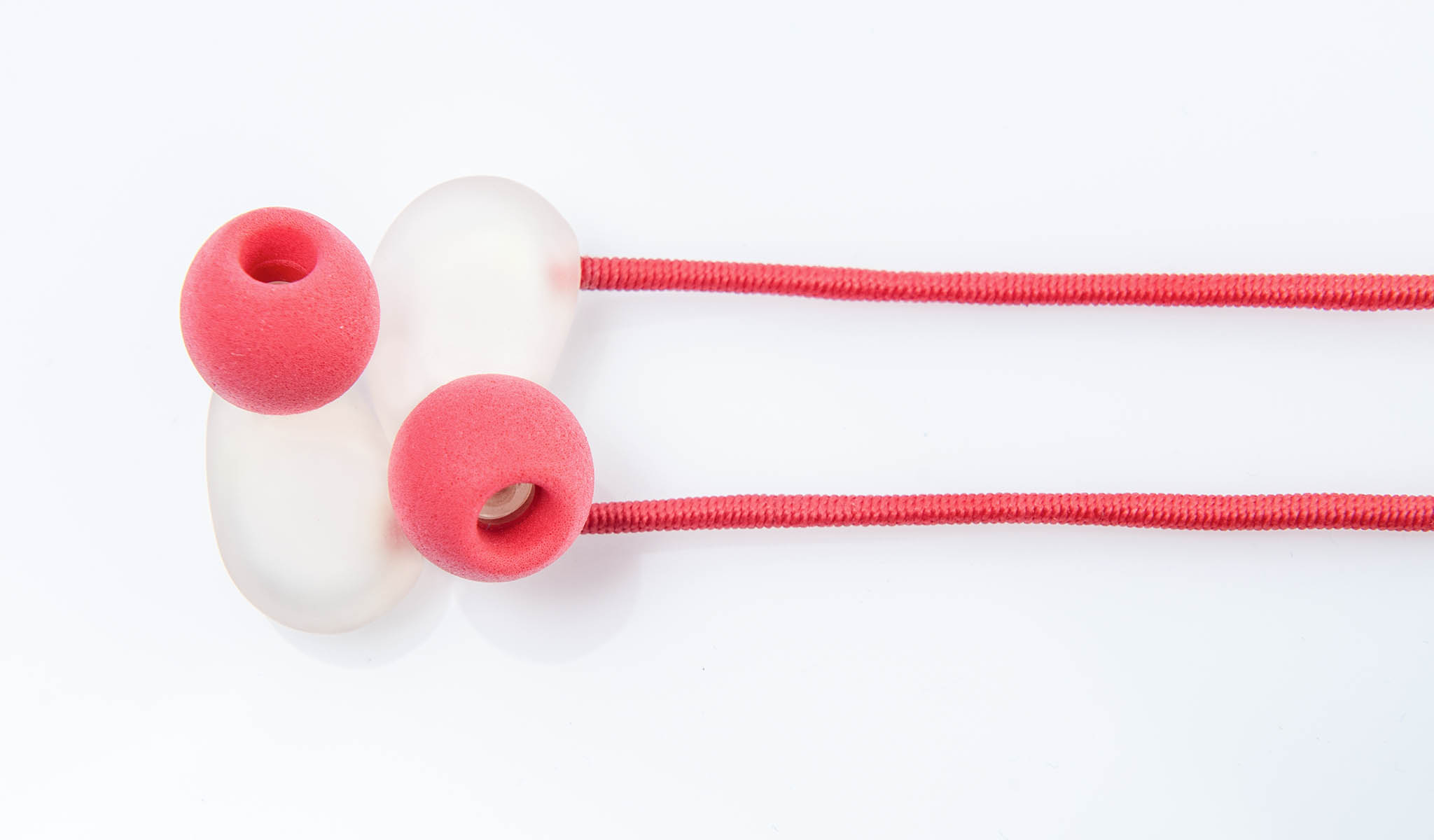
There was no way I could keep too many things going at once: modifying cables, selling headphones, and trying to build a headphone of our own. I've never been good at multitasking, and I'm definitely not the kind of person who can sort everything out quickly and neatly.
At the time, there were only two or three people on the team. But they were some of the best people I have ever had beside me. As I write this, they are still here. To me, that is one of the best things that came out of all of this.
We experimented with all kinds of drivers: dynamic drivers taken out of other brands' headphones, loose balanced-armature drivers bought from Taobao, brought home to measure and test in temporary resin shells. We had been in this hobby long enough to know what sounded good and what didn't, to hear when a detail in the sound was right or wrong. But knowing how to listen and actually making the sound you want are two completely different things.
We took everything we knew from building custom in-ear monitors and tried to apply it, piece by piece, to a universal earphone. That was why I chose balanced-armature drivers instead of dynamic drivers at the time.

From the beginning, I knew I wanted to work with resin. We were already very familiar with it from making CIEMs. But if I wanted to make something that could actually be sold, it had to look good on someone's ears. It had to stand apart from every other earphone sitting on the shelves in our shop at the time.
I wanted a slightly matte surface, but I also wanted the shell to be translucent. Inside, it had to be milky white. I loved that effect. It also had to be a solid, sealed piece. By that I mean we positioned the drivers and sound tubes, soldered in the wires, filled the body with milky-white resin, then closed it with a matching resin faceplate.
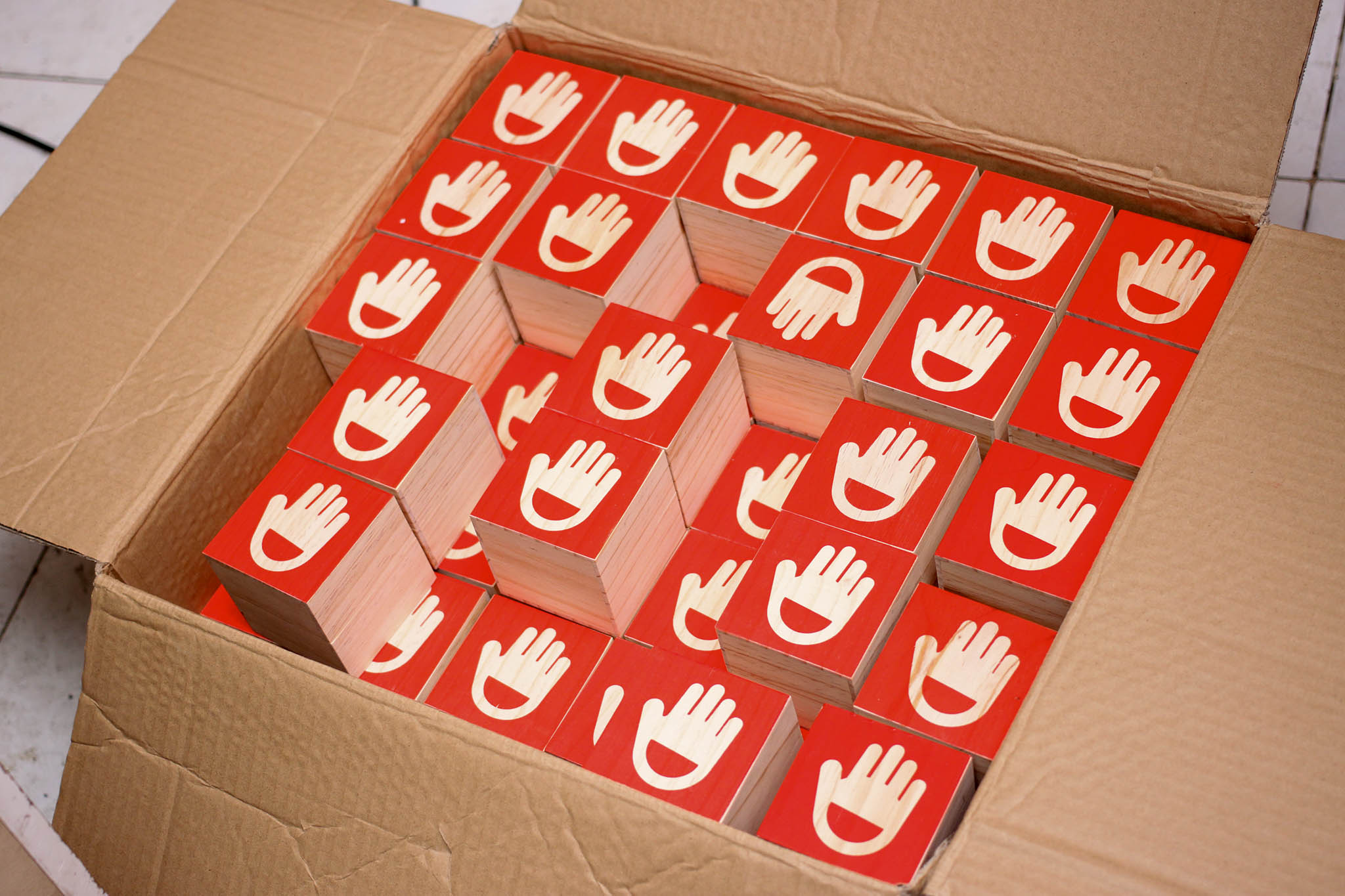
The faceplate itself had to be made in two layers. The inner circle was milky white resin, engraved with a recessed version of my left-hand logo - I'm left-handed - and then filled with red. We sanded it flat, then cast a clear layer of resin over it. Only after that did we close the entire earphone.
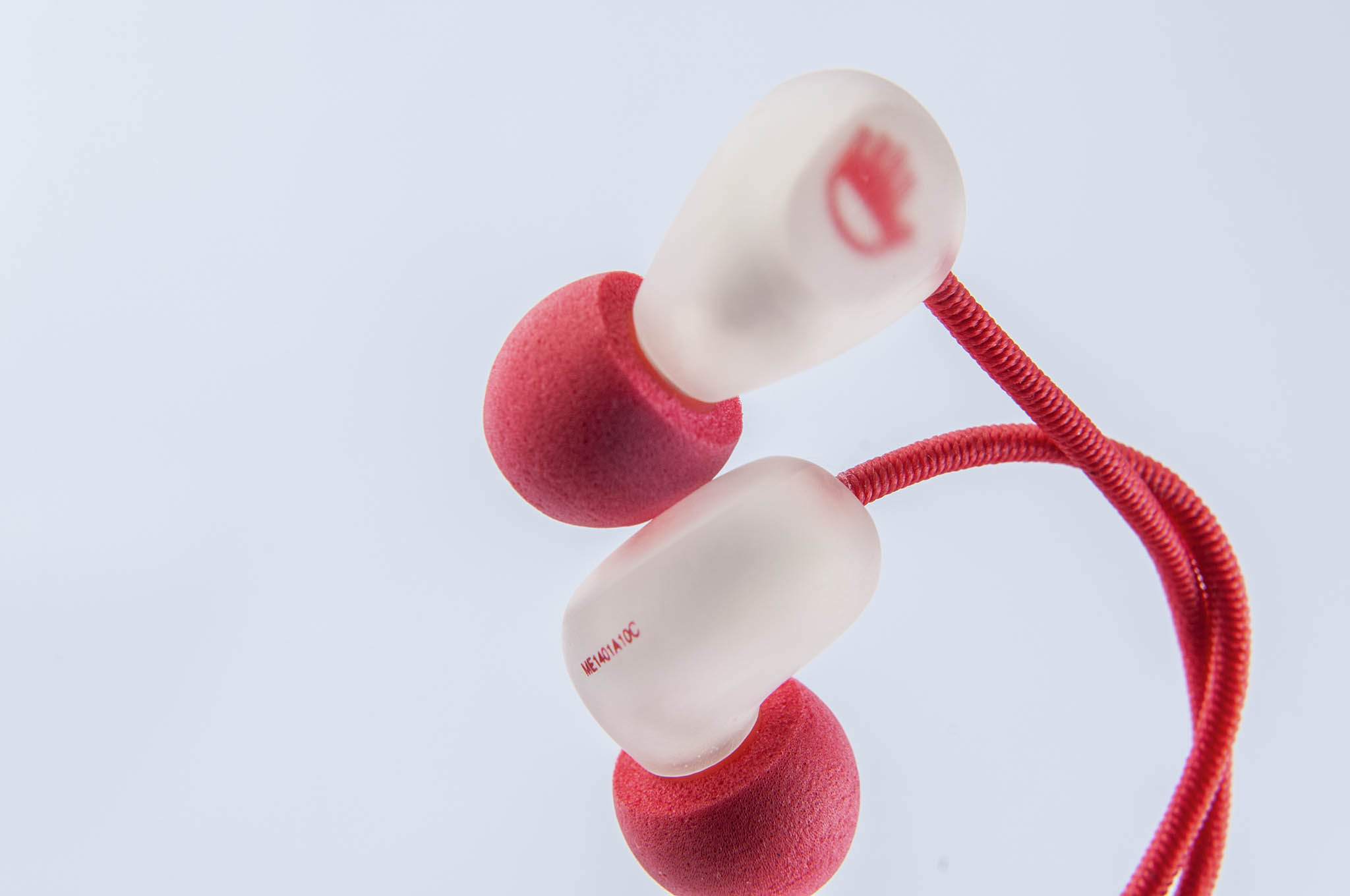
The last step was sanding it by hand to round off the faceplate. We went through several grades of sandpaper to get the surface right, stopping at 400 grit. To me, that was the perfect finish for this earphone.
The cable was Teflon wire braided in the style of high-end CIEM cables from that period. I wrapped red thread around it to hold the cable in place and relieve strain where it met the plug, and at both earpieces. The plug itself was filled with solid red resin and sanded to 200 grit so it would be easier to grip when plugging and unplugging it.
I honestly don't remember how many prototypes we went through, how many shells we made, or how many decisions we got almost to the finish line before throwing them away. All I know is that if someone asked me to do it again now, I would rather die than go back. Whenever we talk about it, the guys and I still laugh.
It was brutal. Everything was made by hand. There was dust everywhere, and there was a lot of disappointment after waiting for something only to find that it hadn't turned out the way we wanted.
By the middle of 2013, we finally finished it.
It was beautiful. I have to say that, even when I look at it as objectively as I can. At that time, I didn't like any single balanced-armature earphone more than the one we had made. I loved it. I wanted it in my ears more than anything else in the shop.
By then, I had already stopped selling headphones and was putting one hundred percent of my energy into making this Jelly Ear. It looked like something you could eat - a little piece of jelly.
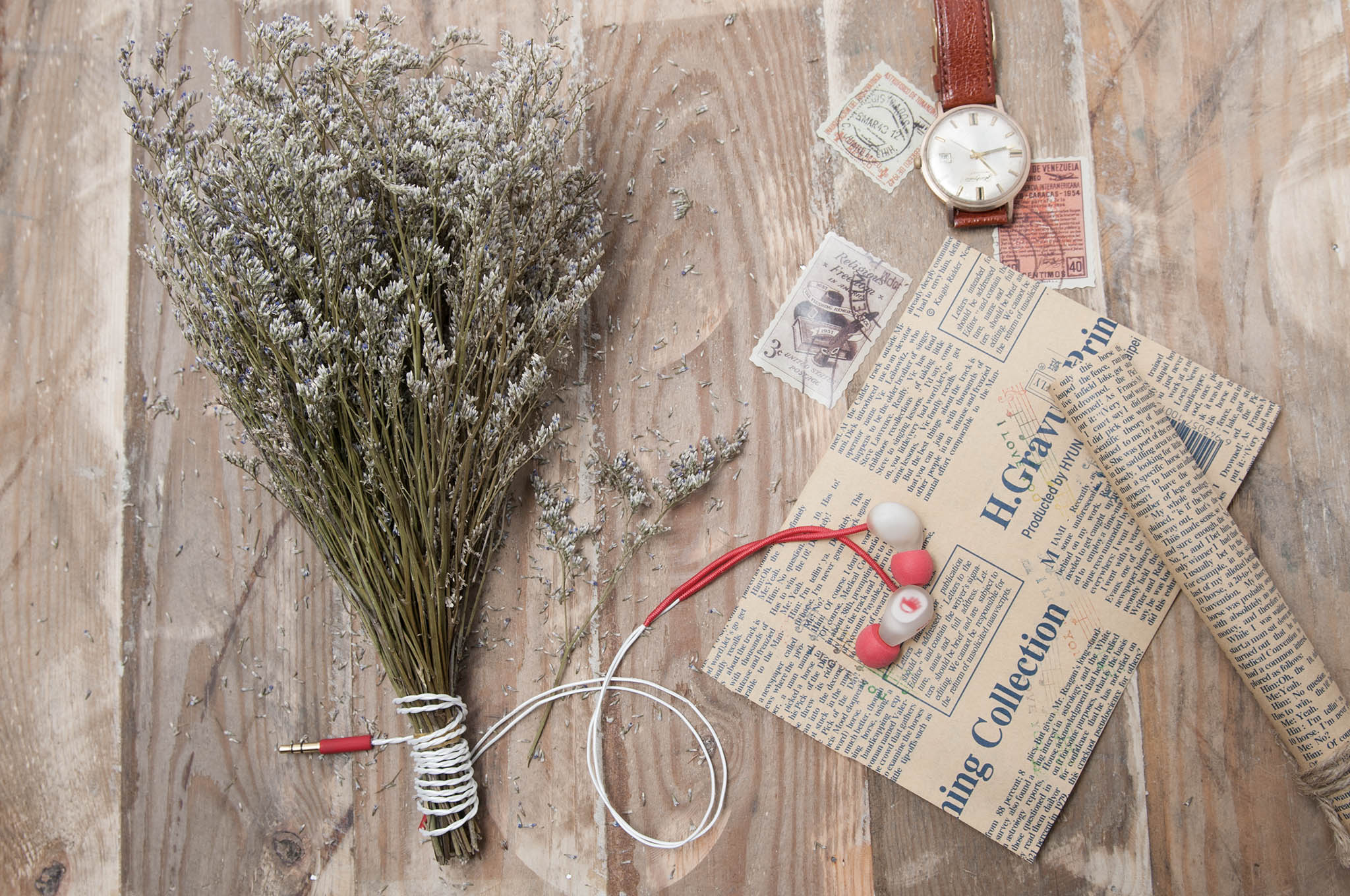
When it came time to launch it, I chose red Comply foam tips. They were comfortable, easy to fit, and matched the color palette I had chosen from the beginning. I wanted the earphone to have only three colors: translucent on the outside, milky white inside and in the cable, and red for the logo, the thread, and the eartips.
The only thing I didn't like was the gold-colored plug. I really struggled with having to accept it, and I still do to this day. It bothers me more than almost anything else about this earphone - more than the amount of savings it cost me, which I'll get to later.
Then, as these things do, the finished version came out at a price of $80, around 2 million Vietnamese dong. I had no idea whether we were making any profit. I just thought the price was probably okay, probably easy enough to sell. We were willing to treat our labor as free, as long as the material costs came back.
Then we made one last decision: a one-year, one-for-one replacement warranty. The earphone was built as a sealed, solid piece. If it failed, it couldn't really be repaired, so the only answer was to replace it. At the time, and honestly, even now - I hadn't seen another headphone brand distributed in Vietnam offering that policy. I don't know whether it was a good decision or a bad one. I only know that it was one of the reasons I lost quite a lot of money.
When I introduced the earphone on Vietnamese audio forums, it got criticized a lot. At that price, people said they would rather buy a European or American brand, even if it was made in China. They said that since the balanced-armature driver was the most important part of the earphone and we imported it from China, this was still a Chinese earphone. All we had made was the shell.
And regular consumers in Vietnam were not going to spend 2 million dong on an earphone when the average monthly income at the time was only around $180, or roughly 3 to 4 million dong.
Honestly, I never thought I would run into that. I was not prepared for that reality at all.
It only takes a few lines to tell the story now, but at the time everything moved very slowly. I kept overthinking every part of it. I just wanted to shut it all down because I couldn't take it anymore. We had put so much work into making an earphone good enough to ship, only to discover that the failure rate in handmade production was nothing like what I had imagined.
Making one piece for testing was easy. Making a hundred was something else entirely.
I wasn't ready for that at the time, and I paid for the first Jelly Audio earphone line. I don't want to put the number of the loss here. But it taught me quite a few things: how much I had underestimated, whether the Vietnamese market was really ready for what we were making, how little we understood the true cost of the product, and how many things we had failed to account for.
In 2013, I was 25 years old, and I lost all the money I had saved.